KARATTEE welcomes beginners and experienced students who want to learn Karate and continue their personal growth through regular training.
Originating in Okinawa, Karate-Do ("The Way of the Empty Hand") is a classical martial art forged through physical discipline, technical perfection, and character development.
Karate originated in the Okinawa islands and developed through a combination of Okinawan fighting traditions and Chinese martial arts.
Karate developed as an effective empty-handed fighting system used for protection and self-defense.
In the early 20th century, Karate was introduced to mainland Japan and became known widely as the "Way of the Empty Hand."
Karate students progress through different ranks as they develop their skills, knowledge, and discipline.
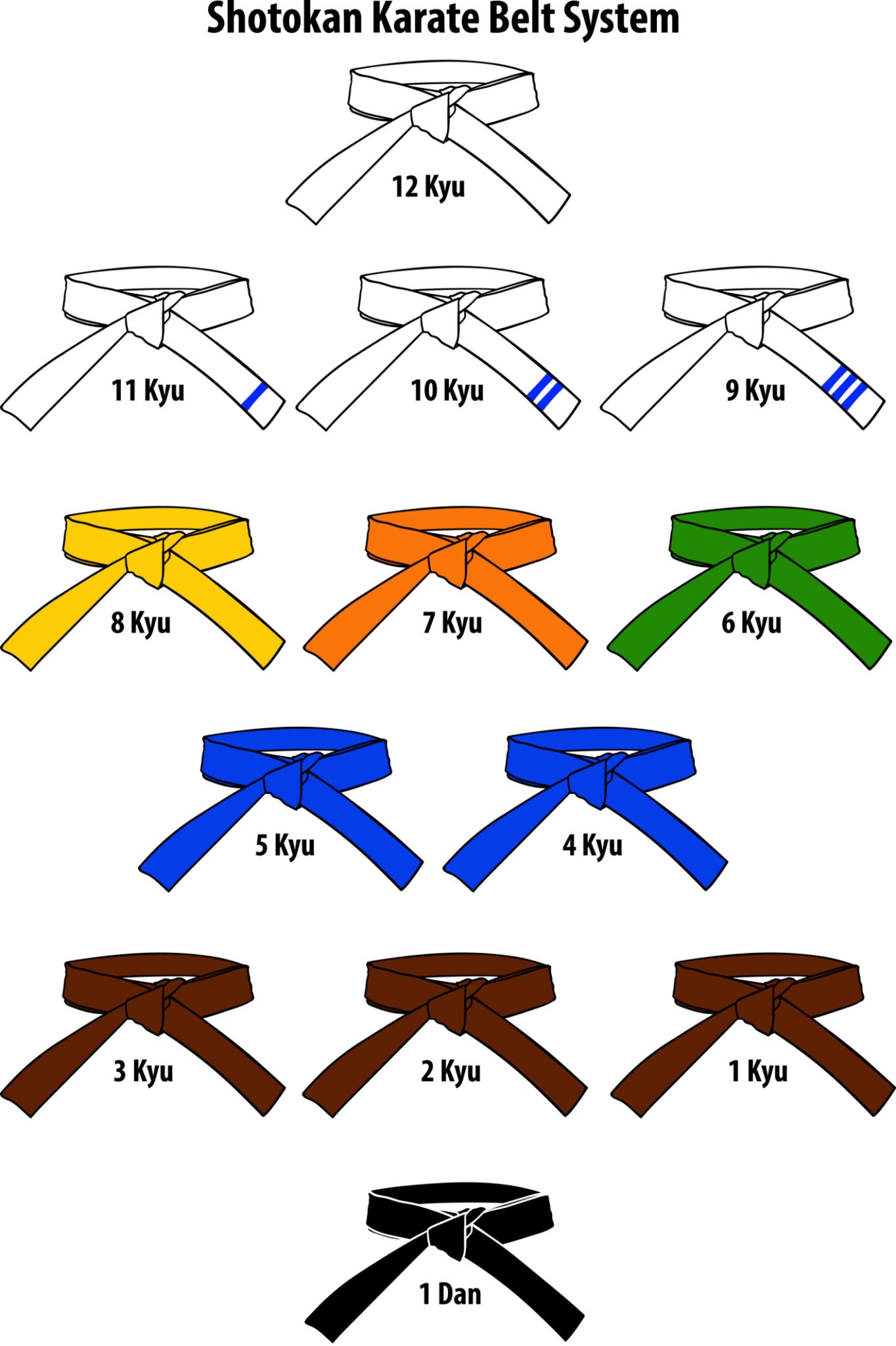
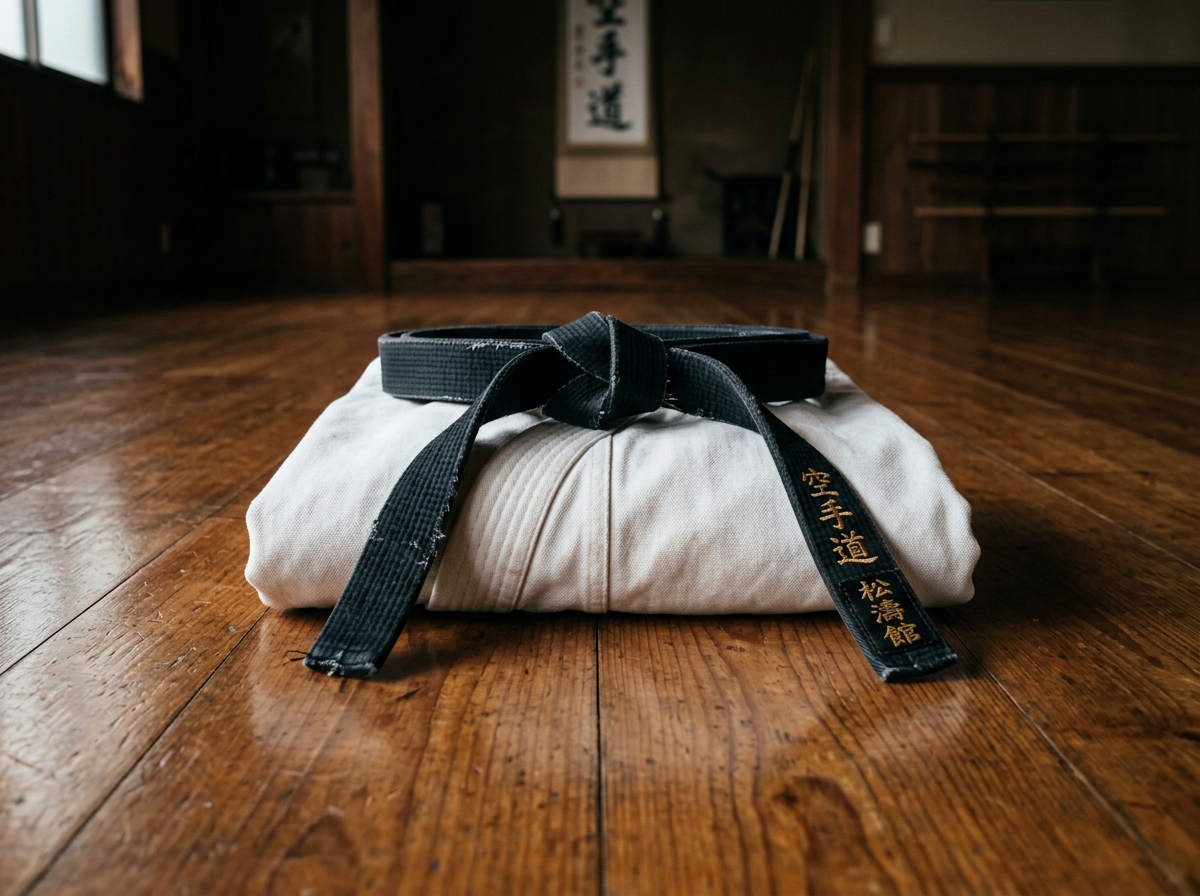
Mudansha refers to student ranks. Students normally begin with a white belt and progress through the Kyū grades.
Yudansha refers to black belt ranks. Dan ranks begin with 1st Dan and progress upward.
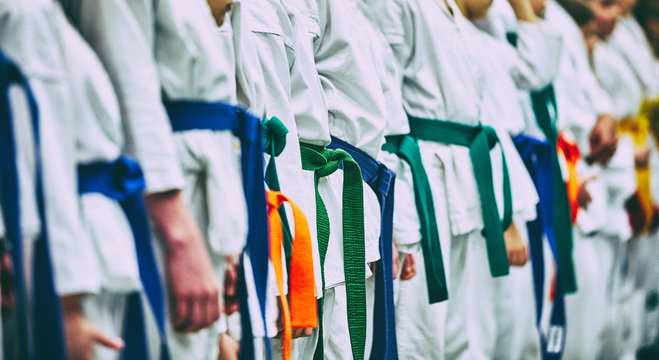
Practice of basic punches, blocks, kicks, and stances to develop strong and accurate techniques.
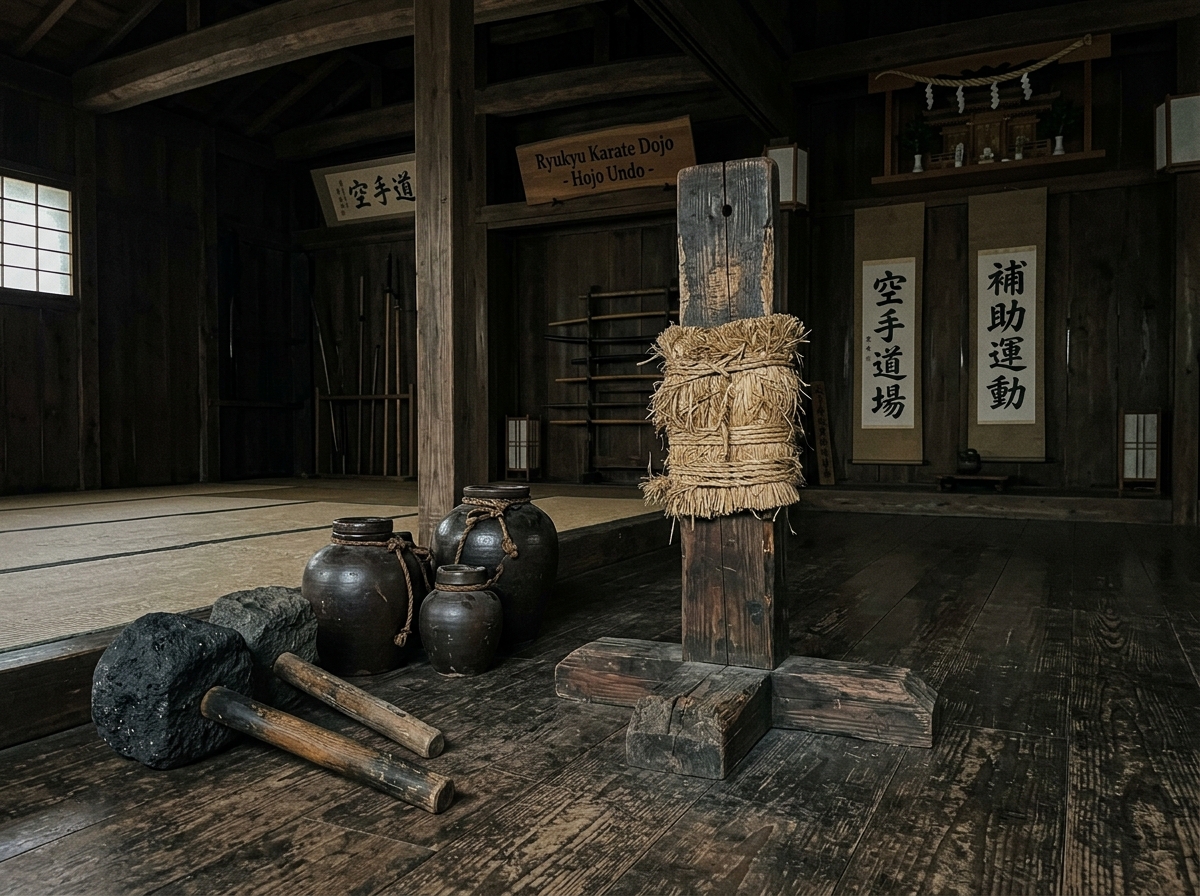
A series of organized Karate movements that develop technique, balance, focus, and understanding.
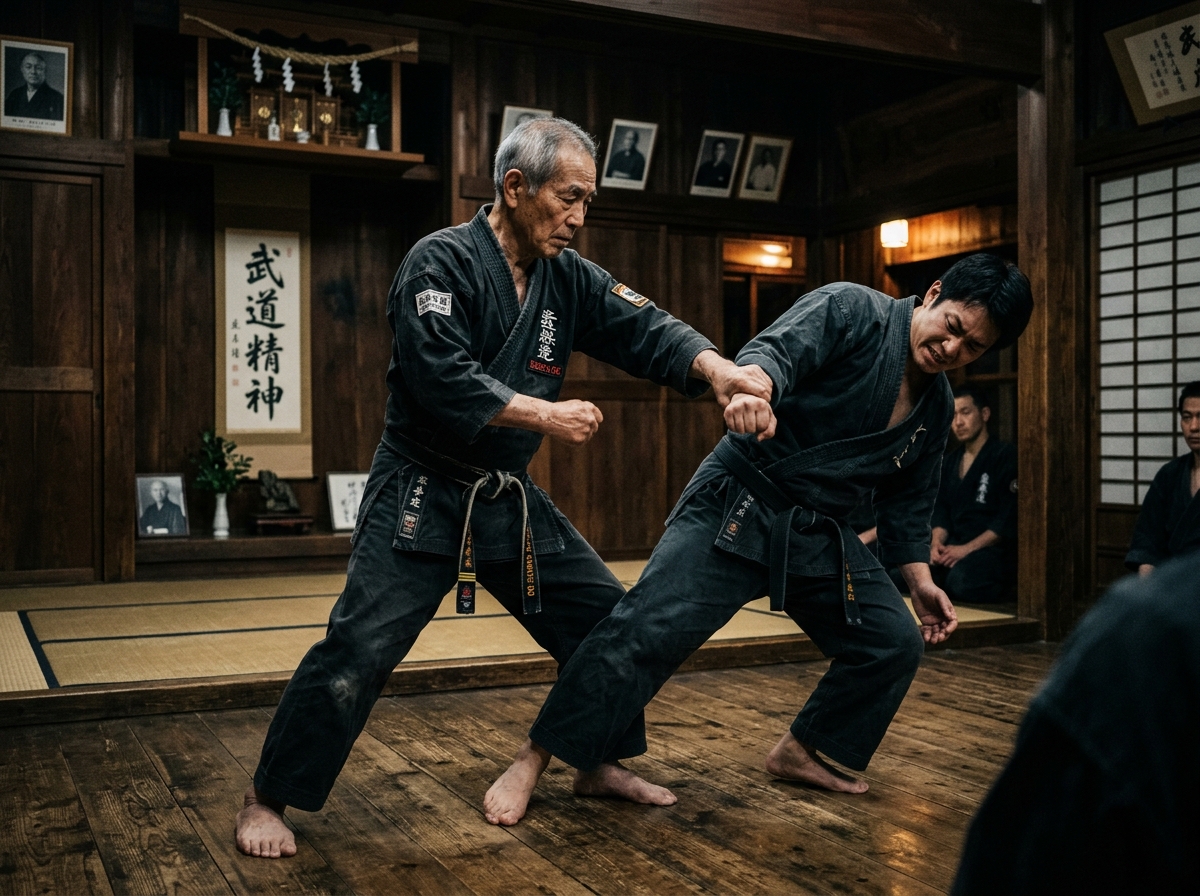
Controlled practice with a partner to develop timing, distance, movement, and reaction.
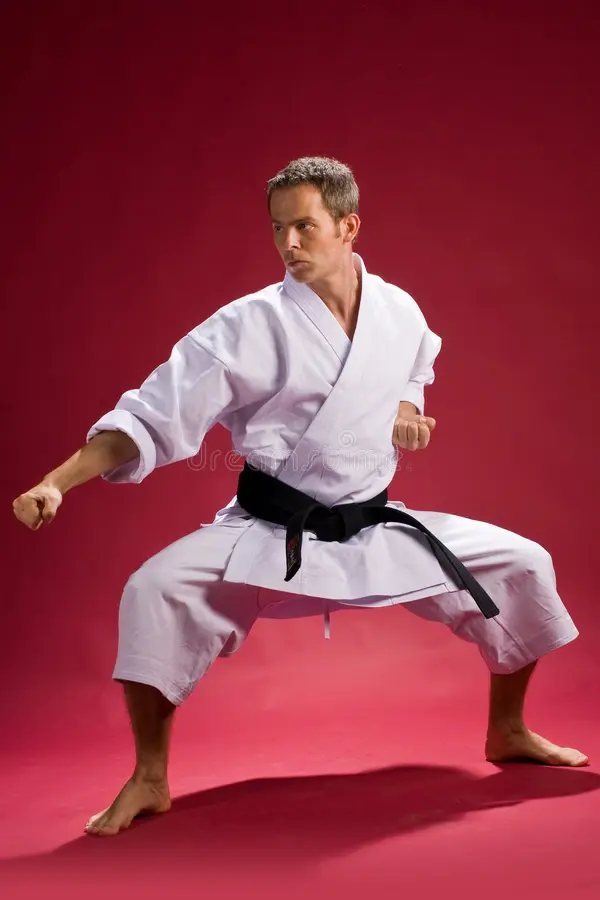
Stances provide balance, stability, movement, and power during Karate techniques.
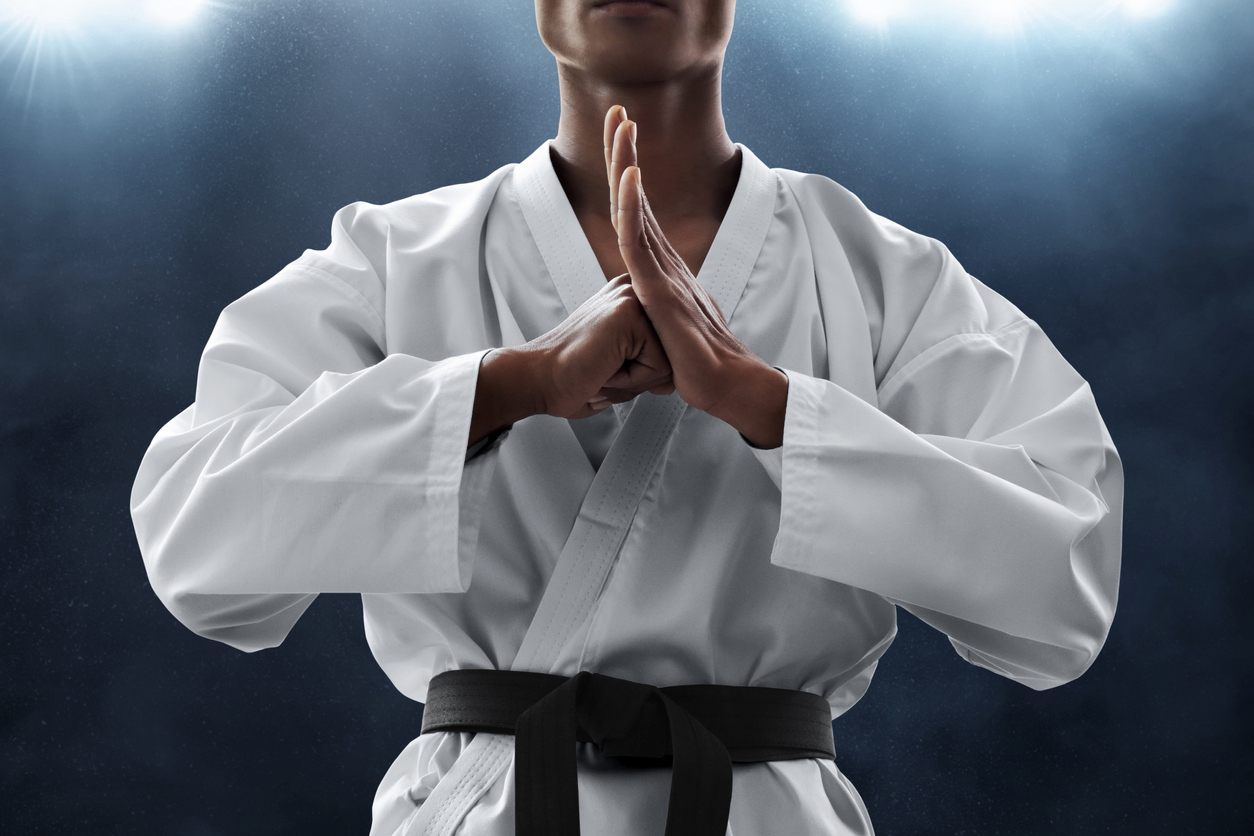
Jodan, Chudan, and Gedan describe different body levels used for attacks and defense.
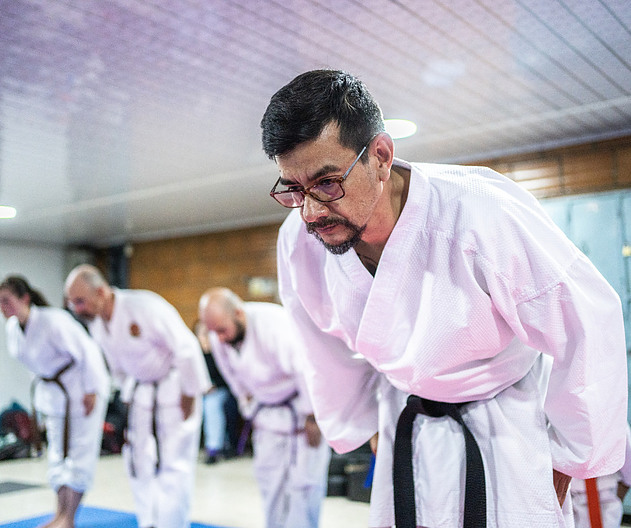
Karate develops respect, humility, focus, discipline, confidence, and self-control.
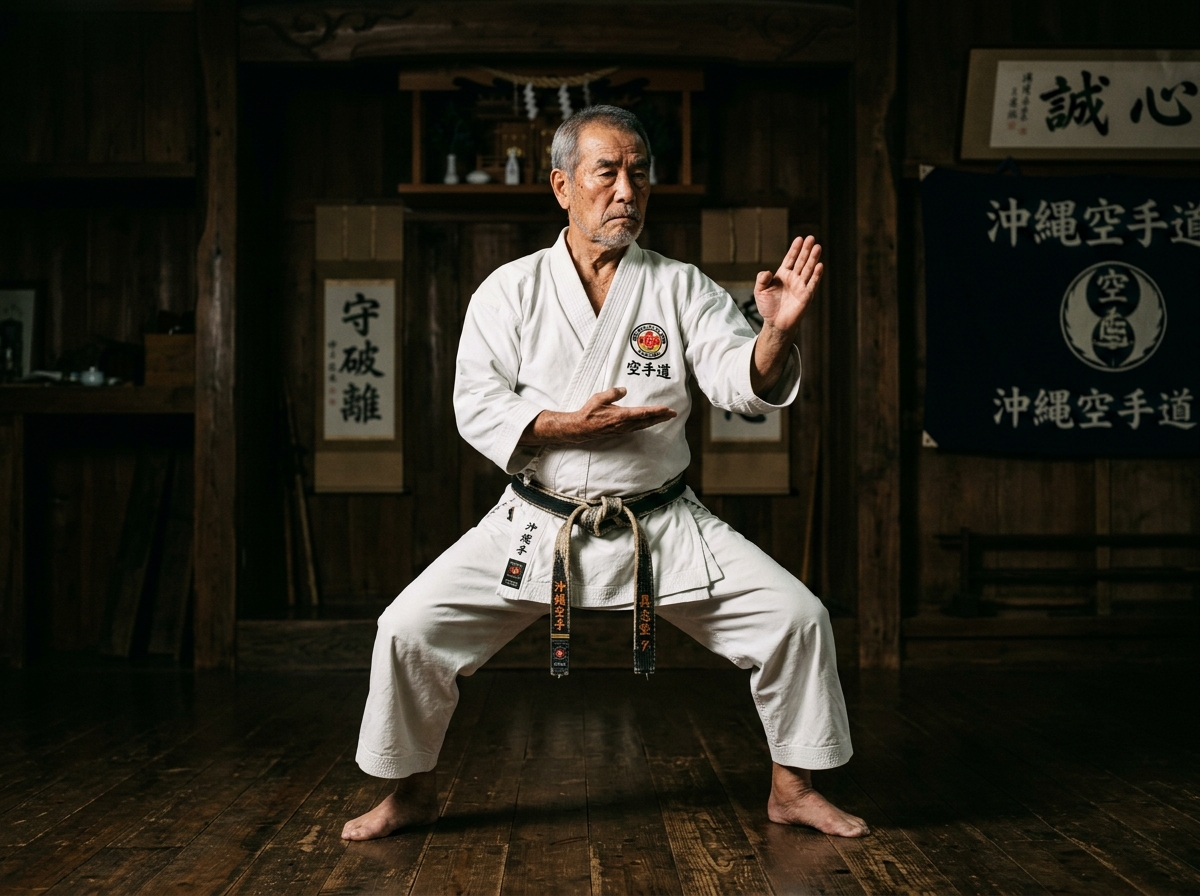
Bunkai is the study of practical applications of movements found within Karate kata.
Respect is an important part of Karate training. Students learn to respect their instructors, training partners, the dojo, and themselves.